Coll Nature
The Wild Orchids of Coll (Part 2)
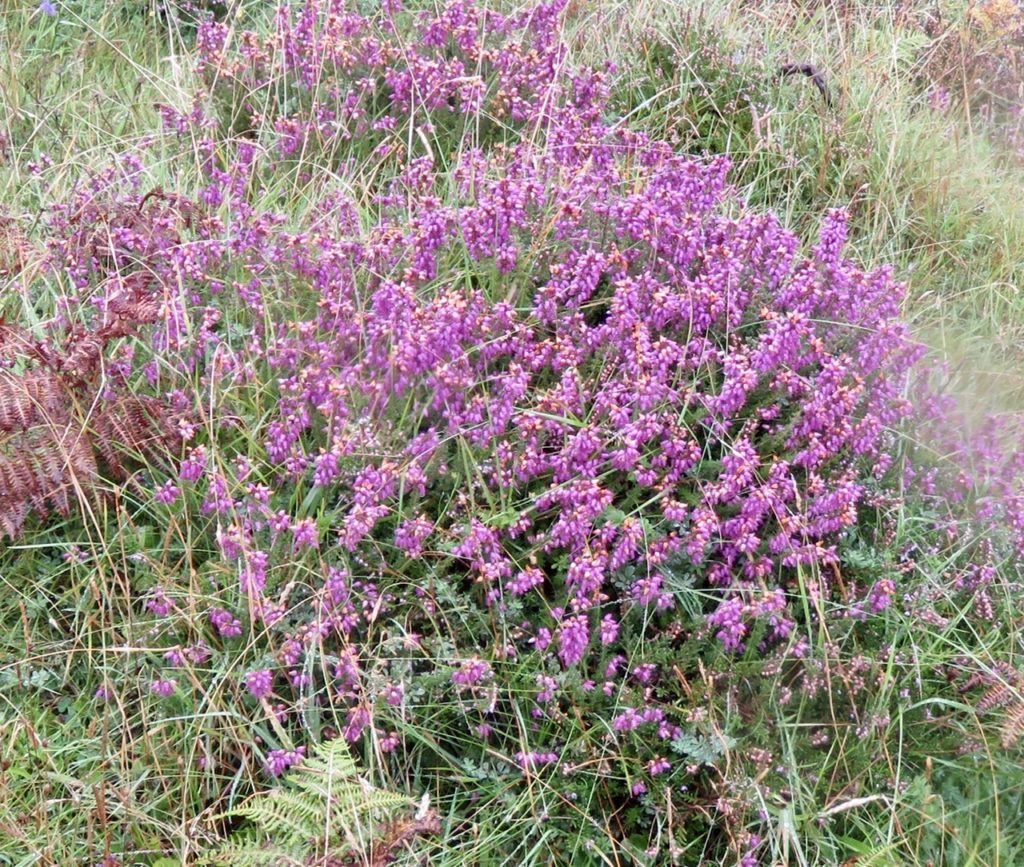
Here’s part 2 of our little guide to the orchids of Coll. In part 1, we described the five ‘common’ orchids of the machair and sand-dunes. Today, we’re going to introduce six more orchids, but these tend to favour the more acid, rocky moorland habitats – but again there is a bit of overlap. We’ve included some photos (all taken here on Coll) which show some of the features described in the text.
The Wild Orchids of Coll (Part 1)
The wildflowers of Coll are wonderful of course – but the abundance and diversity of its orchids in particular is something which visitors are regularly wowed by. So I thought it might be handy to provide a quick and easy guide to what you can find where. There are 12 different types of orchid that you’re likely to come across while walking on Coll. Thankfully, each tends to favour either the machair (on the sand dunes) or the moorland, so you only really have 5-6 to worry about in each habitat.
Ecologi-coll – an island of wonders
Another fabulous Isle of Coll walk, providing a plethora of interesting sightings and stimulating conversations.
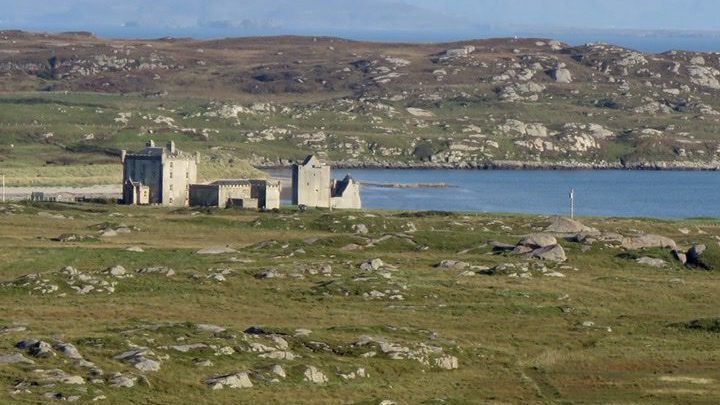
A vista of Breachacha from the dunes ©WildSmiths
The island of Coll boasts four main habitats or land uses, each of which is dictated by its underlying geology. First, and dominating the Coll landscape, is the sliabh, the rolling bog and heather moorland of the Lewisian gneiss, which occupies around two-thirds of the island. Next come the dunes and species-rich machair grasslands formed on the blown sands which, in places, cover the gneiss. Third, is the farmed landscape of pasture and silage fields, on better soils in a narrow band towards the southern end. Last of all, are the seas and rocky shores which surround the whole.
Baywatch, with Candelabras and the Last Laird
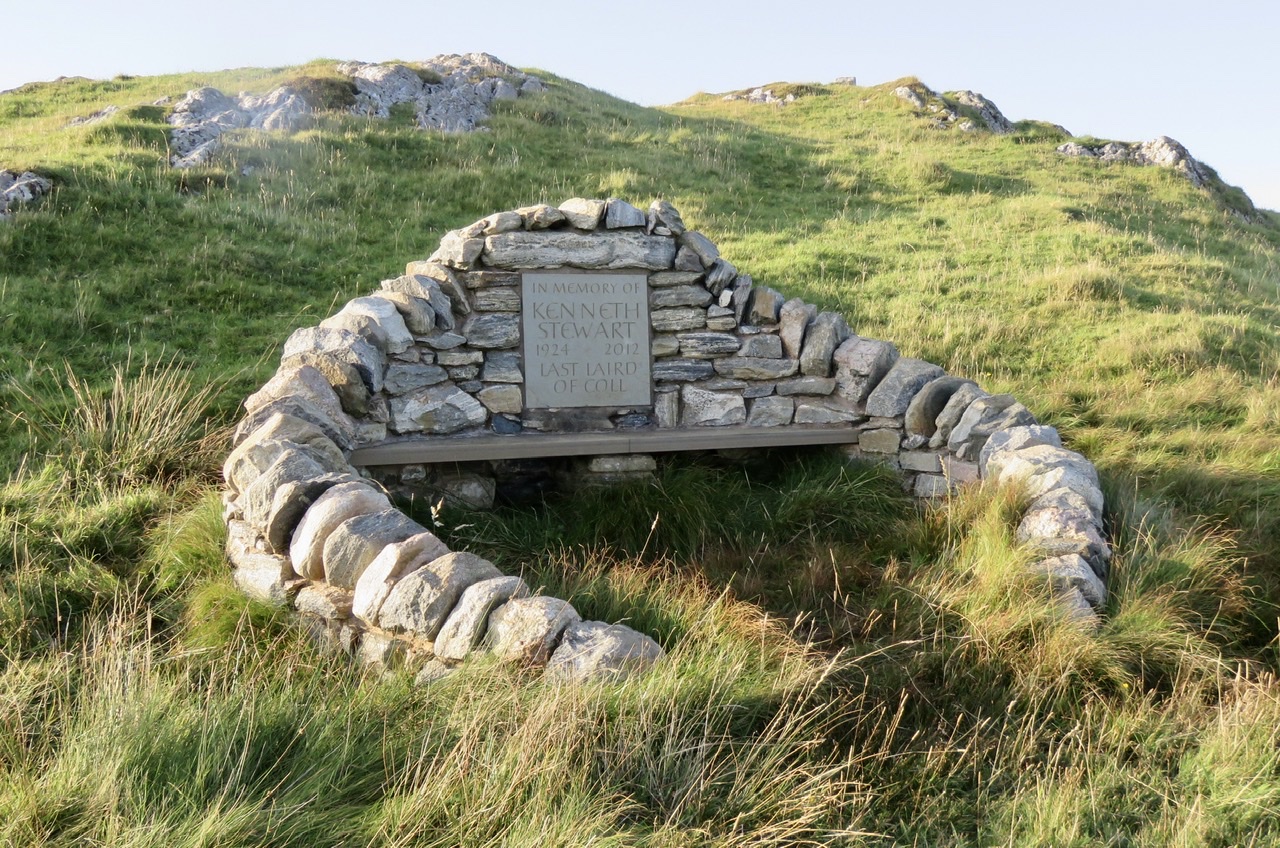
Here sat the last Laird of Coll ©WildSmiths
A new route today, taking in the dunes, beach and hills around Feall Bay. Once again we benefited from lovely company and interesting conversation.
Our walk began in the dunes where we saw the (by now) familiar Bloody Cranesbill, a relatively scarce plant in Scotland and one we primarily associate with limestone country in England. Here on the Coll dunes the shelly sands are highly calcareous and freely draining, and so provide ideal conditions for this lime-lover. The first part of its name comes not from its ubiquity (“Look! There’s more of that bloody cranesbill!”) but from the crimson hue of its stems and fruits. We occasionally find a delightful variant with delicately-pencilled, pale pink flowers.
Earth, Wind and Fire – the making of an island
A walk today with an emphasis on geology – probably because the birds were quiet and the flowers beginning to go over.
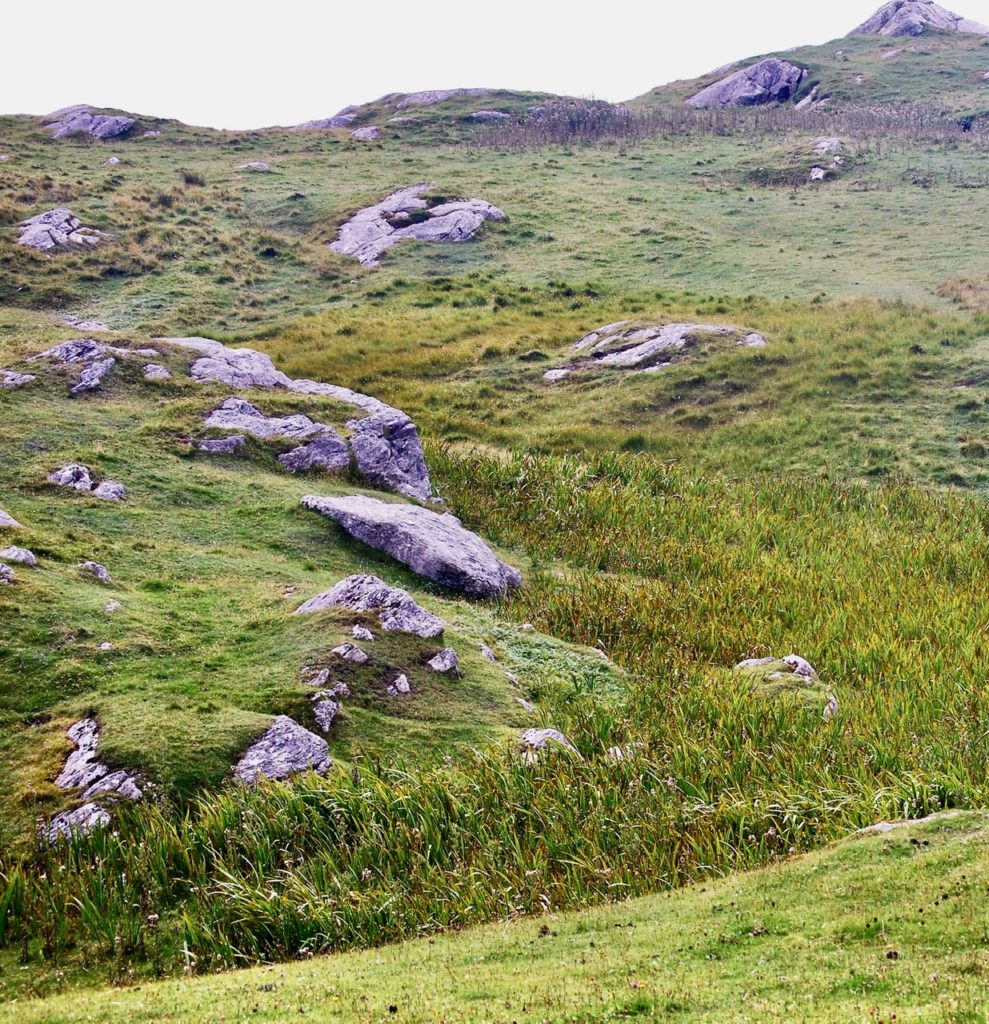
The island’s geology helps to explain its characteristic landscapes ©WildSmiths
The geological history of Coll is a tale of fire and ice (to coin a phrase) or perhaps, more musically, a song of earth, wind and fire.
The ‘fire’ relates to the very early days of our planet’s history (c2-4 billion years ago) when the earth was a ball of molten lava speckled with volcanos. As this lava cooled and solidified, the source rocks that came to form Coll were established.
The Naming of Names and Delights in the Dunes
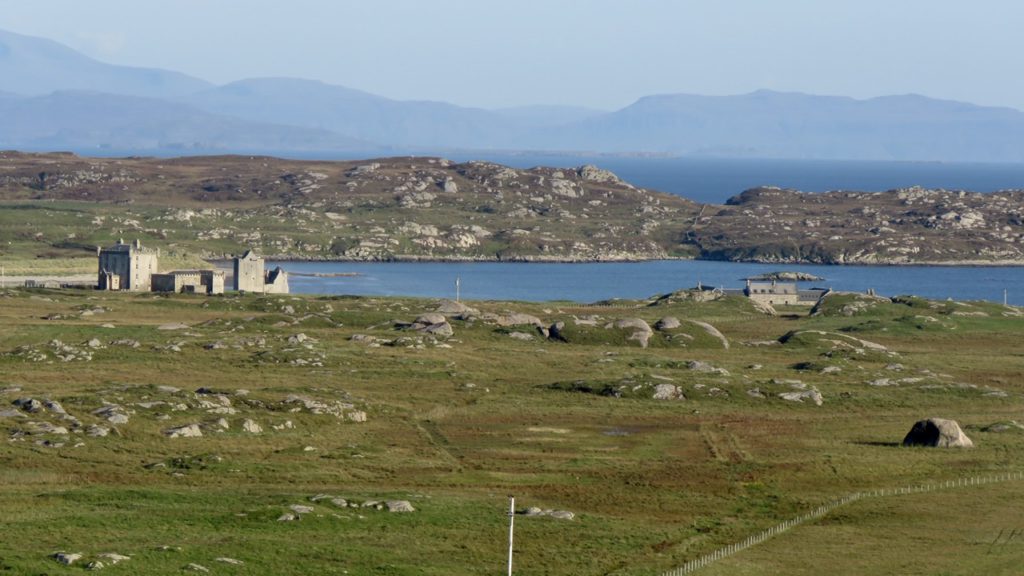
The Wild West of Coll ©WildSmiths
Another lovely walk, this time at the west end of wonderful Coll. Just two clients joined us today; but Sarah (aka Mrs WildSmith) was able to come along too.
We began with a tramp up the dunes where we saw plenty of Bloody Cranesbill and the telltale signs of its rare mite gall Aceria geranii. Interestingly we’ve been looking at the cranesbills across the island with renewed interest after we first found the Aceria here, but it seems that it is only on these dunes (at Crossapoll) that it occurs – though here the distinctive gall is a common feature of many plants.
The Mystery of the Bird and the Feathers
Sometimes an event happens and a story is presented ready made. On other occasions, it takes time to emerge as the pieces slowly fall into place, like a good detective story. That was the case here but, as the pieces fell, they revealed, like an upside down jigsaw puzzle, an image the precise opposite of what I was expecting.
It all began with a breathless text message from a client: “Do you have a contact for the local RSPB? There’s an injured bird of prey along the stone wall at the base of Ben Feall.”
A Damp but Delightful Day
We explored a new route for an Isle of Coll wildlife walk this week based around the village of Arinagour, which conveniently saved our guests a long bicycle ride in the rain.
A grey heron provided a typical heart-stopping moment. “Massive bird of prey?” “No, just a heron…”. That ‘just‘ is to our shame because herons are fascinating birds.
The plantation around the Lodge in the village of Arinagour hosts what is, reputedly, the largest heronry in the Hebrides. The birds are frequently seen along the banks of Loch Eatharna grappling with the local eels.
Walking, talking and thinking…
A new route today for our Isle of Coll guided wildlife walks. Eight of us, wrapped up against the wind and rain, met at the RSPB car park at Crossapoll.
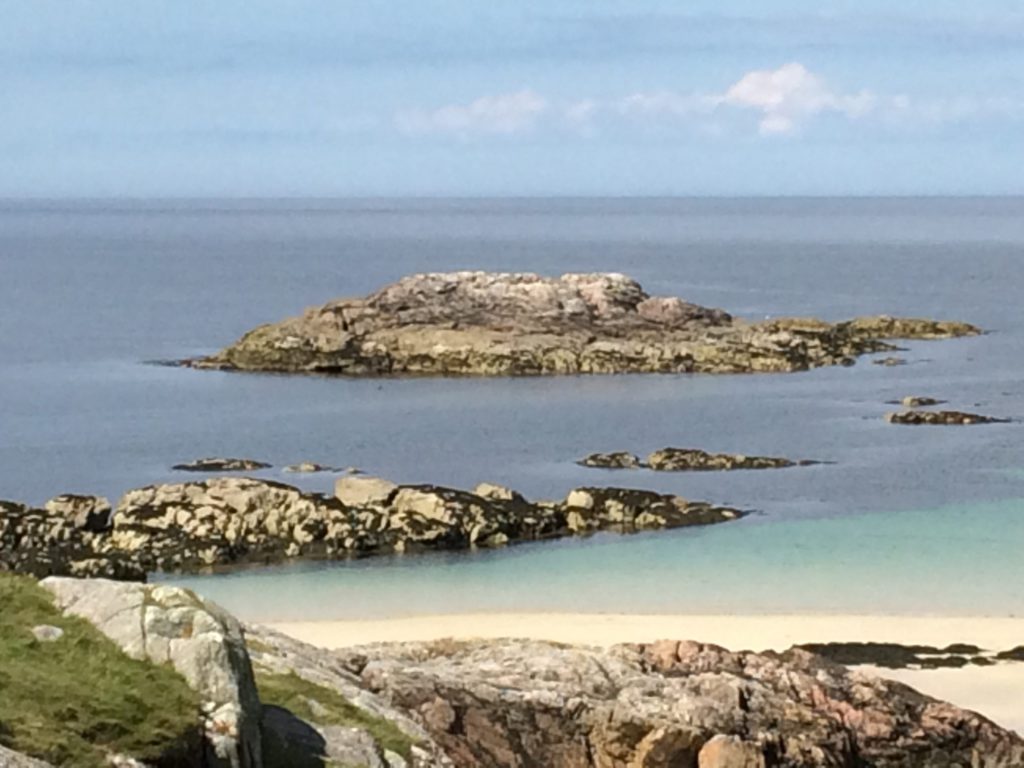
A typical Coll beach scene © WildSmiths
As we gathered, Greg was relaying the story of the previous evening’s dog-fight between a peregrine and a raven over the dunes. Suddenly, the pair reappeared to resume the encounter. On this occasion however, the raven had brought his mates and suddenly the sky was filled with ravens. The peregrine was undaunted, though, and shot back and forth among them. It wasn’t clear what the purpose of this interaction was, other than to establish aerial bragging rights, but it was a great spectacle to watch.
Wildlife Walk at Torastan – Aug 2020
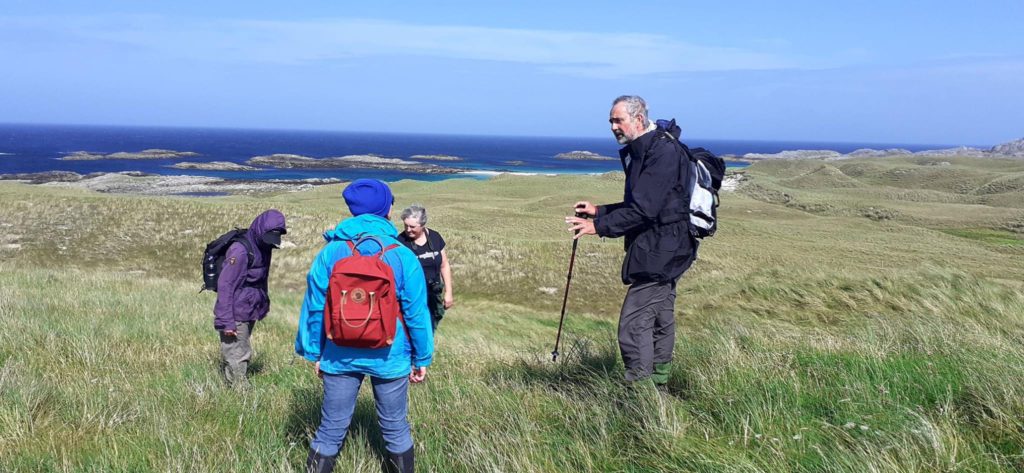
A ‘socially distanced’ wildlife walk © Ali Hennessey
Four hardy souls braved the windy conditions, to join us for a wildlife walk this week in the Torastan area of Coll.
We began by venturing out onto the moors. Despite the harsh conditions, wildlife and people have both managed to forge a living up here. We saw signs of past human activity, including rough walls and small enclosures associated with summer grazing and modest agriculture.
The Belted Beauty Moth
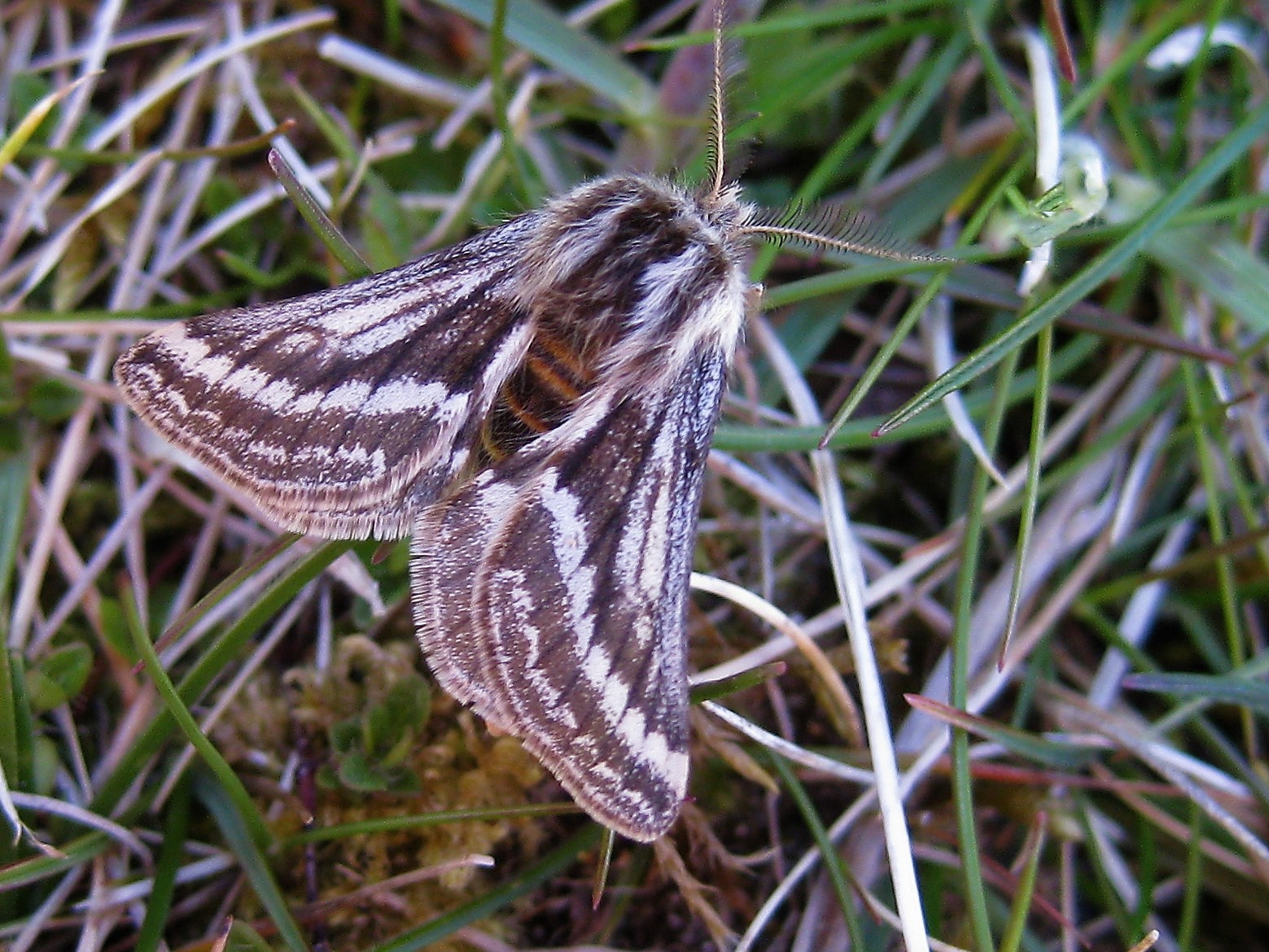
An adult male belted beauty moth on Coll ©WildSmiths
Two interesting insects, that WildSmiths always love to see on the Isle of Coll, are the short-necked oil beetle and the belted beauty moth. They are both very rare nationally but are regularly seen on this tiny island. As ‘flightless fliers’, the pair of them also illustrate the extraordinary and wonderful complexity of nature.
The Corncrake
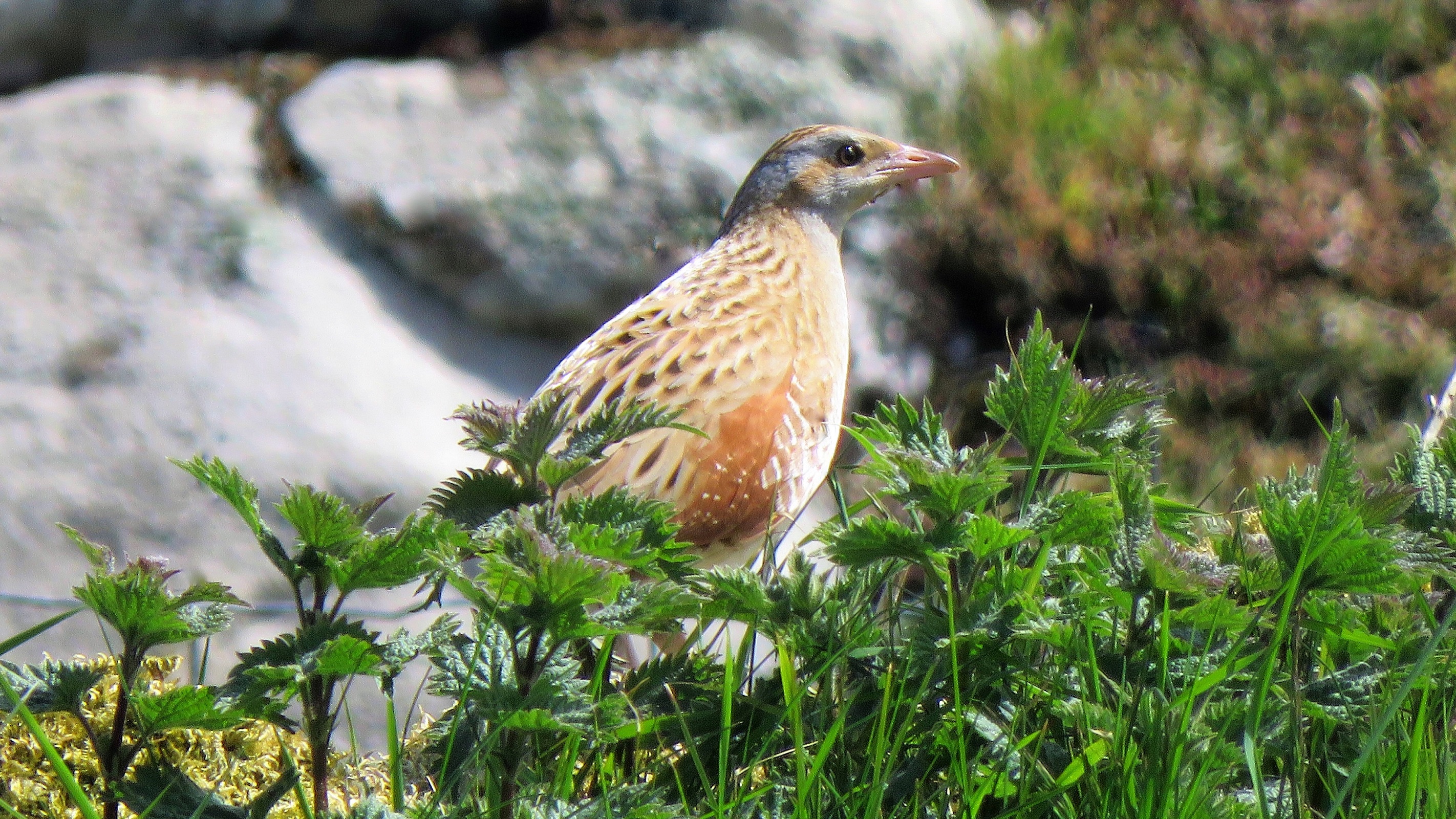
The subtle honey and apricot livery of the corncrake ©WildSmiths
One of the highlights of the Isle of Coll’s extraordinary wildlife pageant is the corncrake.
Some might call its appearance drab, but here at WildSmiths we find the subtle tones of honey and apricot rather appealing, enabling it to blend in equally with last year’s dead grass stems and this year’s fresh nettle flowers. Subtle is not, though, the word to describe the song of the corncrake. The male’s brash, grating rasp, which even the most devoted parent would have trouble commending in its offspring, is the omnipresent sound-track of the Coll summer.
The Sand Lizard
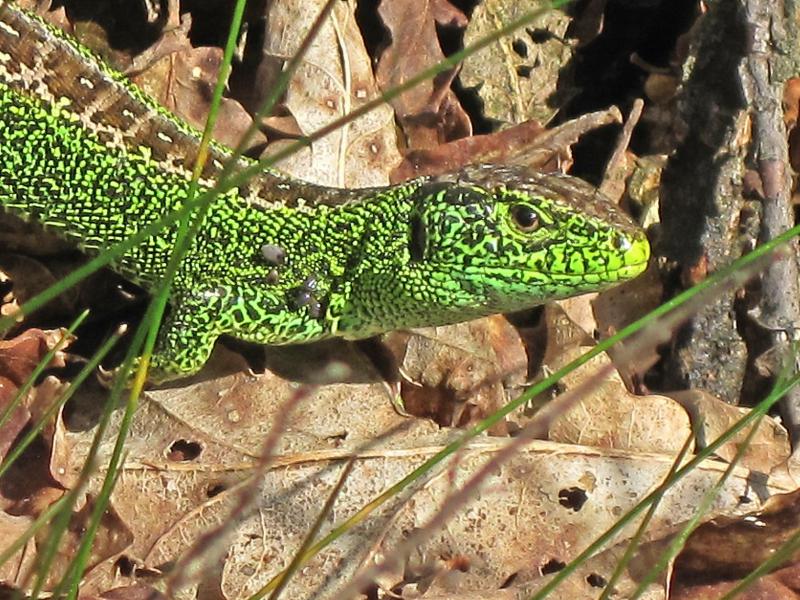
A stunning male Sand Lizard in its nuptial regalia ©BJ Schoenmakers
An unexpected feature of Coll’s glorious wildlife is the presence of a small colony of one of Britain’s rarest reptiles, the Sand Lizard. Take a glance at the Amphibian and Reptile Conservation Trust’s distribution map on the above link and you may think there’s something unlikely about this.
In the UK, the Sand Lizard today has a very restricted distribution, having declined by 80% across its range during the twentieth century. Natural populations now only occur on the heathlands of Dorset, Hampshire and Surrey and on coastal dune habitats in Lancashire. There has been some good news of late, with successful reintroductions to one or two former sites in southern England and in north Wales. However it is still a rare and localised feature of the UK’s wildlife and, as a result, it enjoys the highest levels of protection through site designations and laws against killing and disturbance.
The Short-necked Oil Beetle
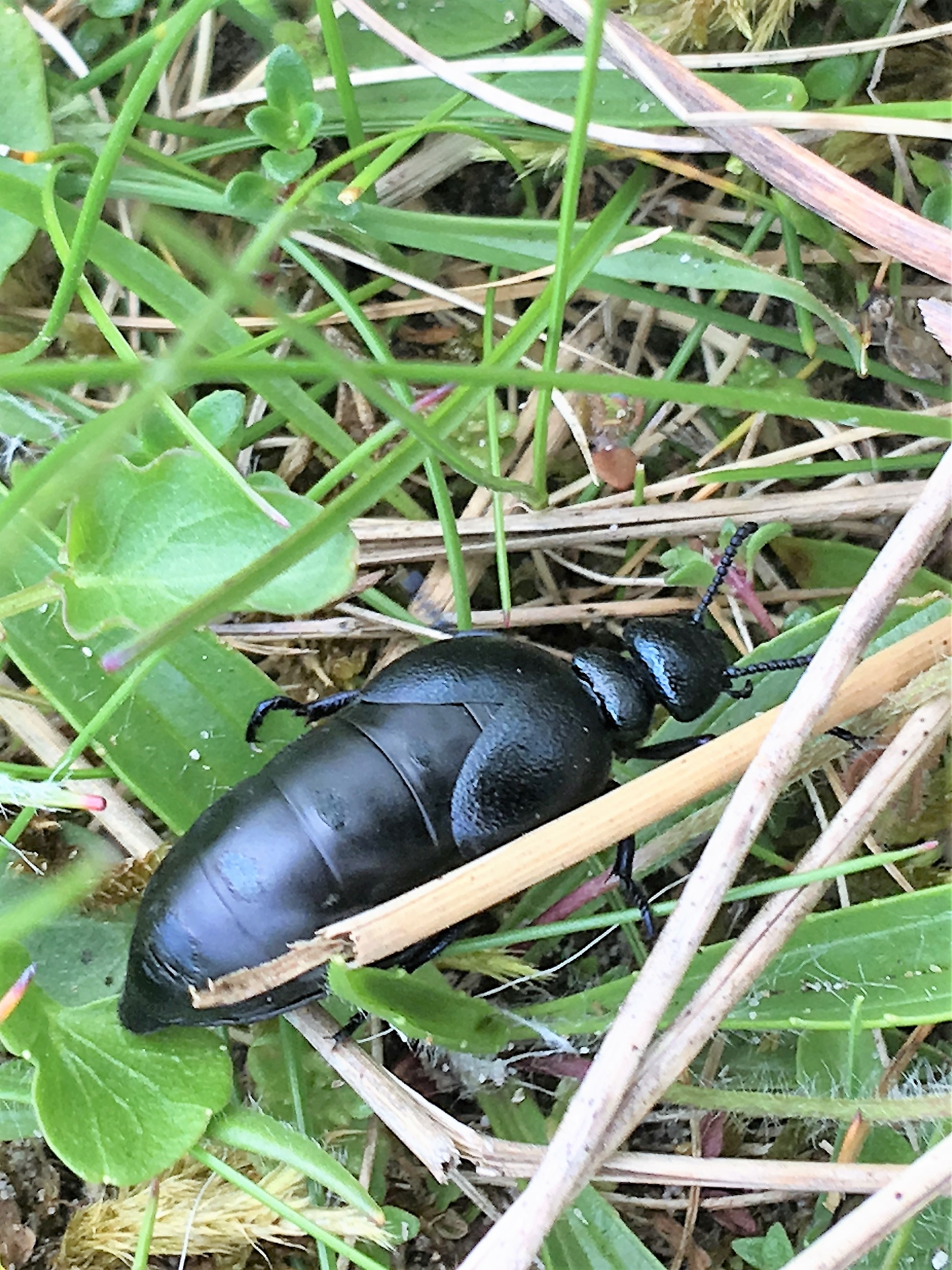
The rare Short-necked Oil Beetle on Coll’s machair ©WildSmiths
Two interesting insects, that WildSmiths always love to see on the Isle of Coll, are the Short-necked Oil Beetle and the Belted Beauty moth. They are both very rare nationally but are regularly seen on this tiny island. As ‘flightless fliers’, the pair of them also illustrate the extraordinary and wonderful complexity of nature. You can read about the moth here. In this blog, we’re going to take a look at the beetle.